
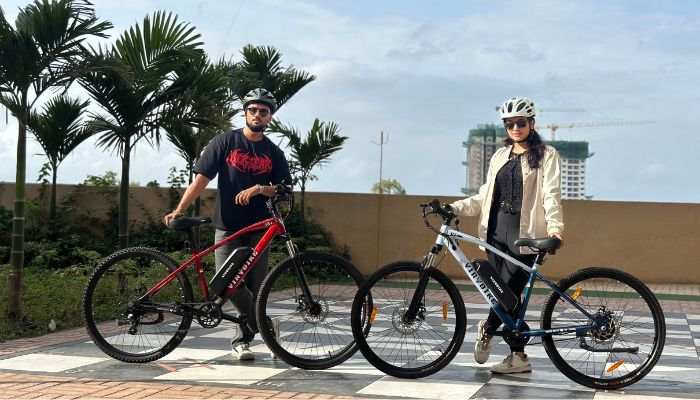
Electric cycles—often called e‑bikes—have moved from curiosity to everyday transport in just a few short years. Whether you are looking to shorten the morning commute, replace a second car or simply add some zip to weekend rides, today’s e‑cycles promise a blend of pedal power and electric assistance that feels effortless yet engaging. This guide walks you through everything you need to know before clicking the ‘buy’ button, from key technologies and real‑world pricing to future innovations that will keep you riding further for less.
Electric cycles sit at the sweet spot between traditional bicycles and scooters. You still pedal, stay active and weave through traffic, yet a discreet motor and battery take the sting out of hills and headwinds. No fuel stops, minimal servicing, and the feel‑good factor of lower emissions make the switch appealing to anyone keen on convenience without compromising the planet.
Convenience and eco‑friendliness are only part of the story. Direct‑to‑consumer (D2C) brands now deliver e‑cycles straight to your doorstep, allowing you to configure battery sizes, colour options and accessories online, finance the purchase with flexible EMIs, and even book mobile servicing. As a result, comparing specifications before purchasing has never been more important.
Growing Popularity and Market Momentum
Sales data show a steady climb in e‑cycle adoption worldwide, driven by urban riders who want greener commuting solutions and leisure cyclists who appreciate a little electric nudge. Government incentives and the expansion of charging infrastructure have also fuelled interest, with many cities adding dedicated lanes and secure parking for e‑cycles. While exact figures differ by region, the upward trend is unmistakable: e‑cycles are now a mainstream transport choice rather than a niche gadget.
Key Technologies That Define an E‑Cycle
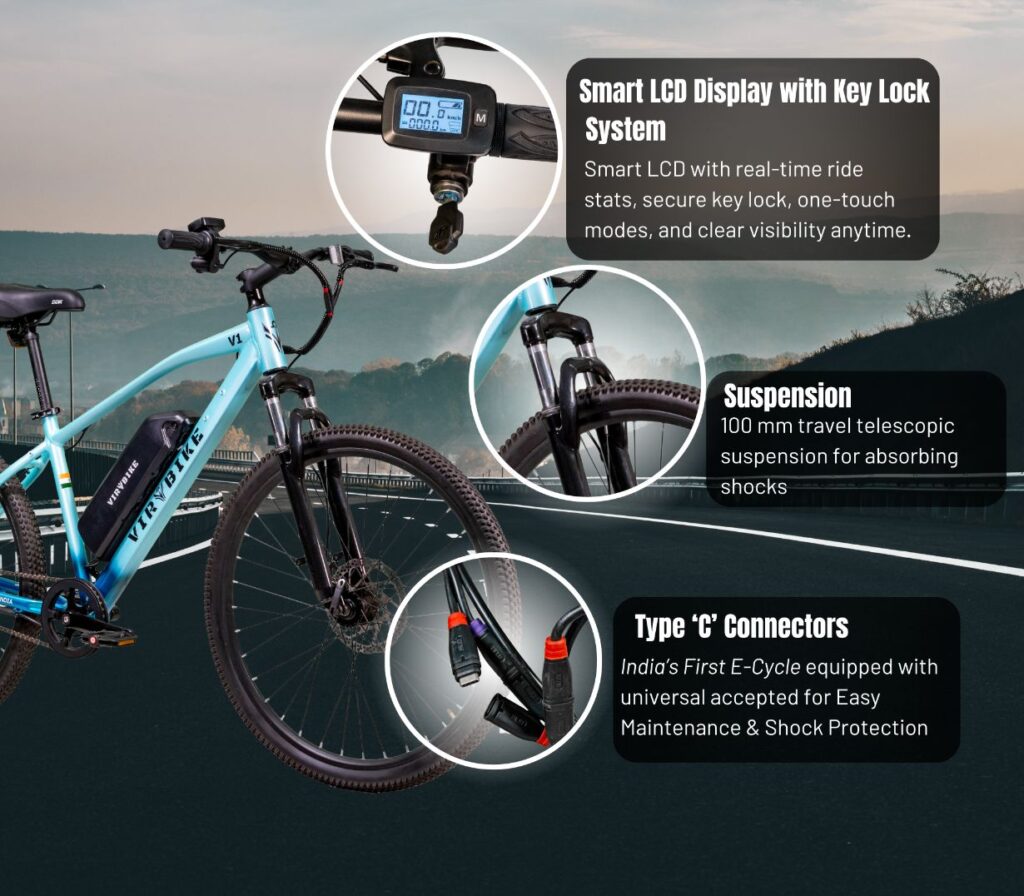
Removable batteries – The heart of any e‑cycle. Most modern packs unclip in seconds, letting you charge them at home, in the office or at a café instead of hauling the whole bike indoors.
Motor types – A 250 W brushless DC (BLDC) hub motor is now standard for urban and light off‑road riding, delivering quiet, maintenance‑free assistance up to legal speed limits.
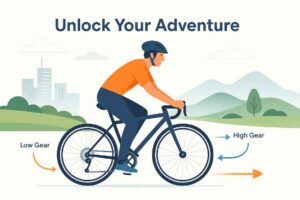
Pedal‑assist levels – You decide how much help the motor provides. Dial it down for exercise or up for sweat‑free commuting.
Integrated controls – Handlebar displays show speed, range and assist modes, while some models add cruise control so you can maintain speed without constant pedalling.
Safety add‑ons – Dual disc brakes, LED lights and bright paintwork improve visibility and stopping power, essential for riding in mixed traffic.
Comparing Models Matters
Weight, battery capacity, wheel size and frame geometry all influence how an e‑cycle feels on the road. Before checking out, test‑ride at least two models, note how easily the battery removes, and consider warranty support. Overlooking these fundamentals—or buying solely on headline range—can leave you with a bike that underperforms on your daily route.
Choosing a model without accounting for the terrain you ride is another common pitfall. Large‑wheel commuter bikes excel on pothole‑ridden streets, whereas compact, foldable options thrive in flats and offices with limited storage. Always match spec sheets to real‑life routes.
Models and Specifications Worth Knowing
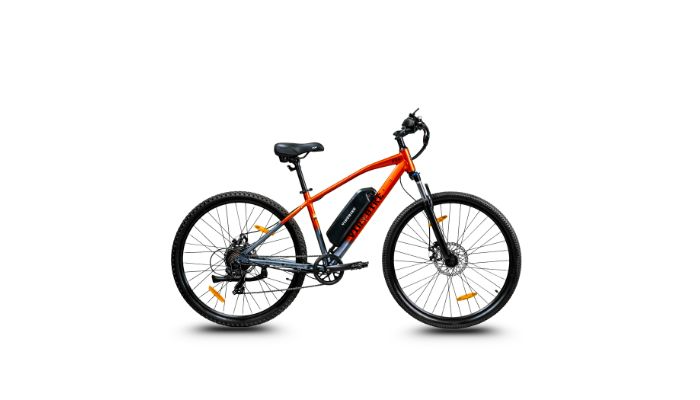
• Virbike V‑series (V1, V1+ and V3 Desert Raptor) – Virbike’s V‑series blends style, performance and innovation. The V3 Desert Raptor uses a 250 W hub motor, a 13 Ah Li‑ion intube battery and a lightweight aluminium frame, giving you a real‑world range of roughly 55–75 km depending on terrain. A fast 0–80 % recharge takes about 2½ hours, while the five‑level pedal assist and M5 LCD display make every ride intuitive. Models come with disc brakes with electric cut‑off and IP 65/67‑rated weather protection, and adjustable seats for comfort. Owners praise the design, performance and impressive range. You can choose colours, finance your purchase and even book a free test ride on Virbike’s website to experience these innovations yourself.
• Children X1 Mountain Electric Cycle – Ideal for younger or shorter riders, this model pairs a 7.65 Ah battery with a 250 W BLDC motor and 27.5‑inch wheels. Expect solid hill‑climbing ability for school runs or weekend trails without excessive weight.
• T‑REX AIR Unisex Electric Bicycle – A 29‑inch wheel and 16.5‑inch frame offer a roomy riding position. The 250 W motor is backed by front suspension and seven‑speed Shimano gears, letting you tackle rougher roads in comfort.
• EMotor Doodle Pro Fat‑Tyre Foldable Electric Mountain Bike – Its fat tyres add confidence on loose gravel, while a 12.75 Ah removable lithium‑ion pack extends range for longer leisure rides. Folding hinges make storage in flats or cars straightforward.
If the Virbike V‑series piques your curiosity, head over to virbike.com to book a test ride or customise your own e‑cycle – it’s the easiest way to decide which model suits your lifestyle.
Why Battery Capacity Counts
Amp‑hours (Ah) indicate how much energy the battery stores. The 7.65 Ah pack on the Children X1 suits school or short commutes. The 12.75 Ah unit on the Doodle Pro delivers noticeably longer mileage, perfect for anyone whose round trip exceeds 20 km. Remember, riding in high assist modes or on hilly terrain drains energy faster, so choose capacity with some cushion.
Motor Power and Legal Limits
Most regions cap e‑cycle motors at 250 W for road use, striking a balance between assistance and safety. While higher‑wattage units exist off‑road, sticking to 250 W ensures compliance and easier insurance or registration, if required locally.
Wheel Size and Ride Quality
Larger wheels (29 in) roll smoothly over potholes and improve stability at speed, while mid‑sized 27.5‑in hoops balance agility and comfort. Fat‑tyre variants deliver maximum grip on sand, snow or mud but add weight. Align wheel choice with where you actually ride, not just aesthetics.
Price Can Shift With Battery Size
Upgrading from a standard to an extended‑range battery usually adds a few thousand rupees, but it may save you daily charging hassle. Likewise, opting for hydraulic instead of mechanical disc brakes or integrated lights will nudge the price upward. Weigh the upfront extra against long‑term convenience.
Stock and Colour Availability
High‑demand shades, such as matte black or electric blue, can sell out quickly after flash sales. If a configuration is marked ‘pre‑order’, clarify delivery windows to avoid surprises, especially if you rely on the bike for commuting.
Features That Transform the Ride
Removable batteries and fast charging
A removable pack means you can leave the bike locked in the shed while the battery charges safely indoors. Fast‑charge capability pares refill time to just a few hours, handy if you forgot to plug in overnight and need a quick top‑up before the evening commute.
Dual disc brakes and cruise control
Hydraulic or mechanical dual discs deliver even stopping power in rain and dust, giving you confidence when traffic darts across your path. Cruise control, increasingly standard on higher‑end models, lets you hold a set speed on flat stretches without constant pedalling, reducing fatigue.
Front suspension and gear systems
Front suspension forks soak up kerbs and cobbles, protecting wrists and shoulders. Pair that with a seven‑speed gearset and you can spin comfortably up gradients or accelerate briskly away from lights. Riders on mixed terrain will notice the difference within minutes.
Easy mistakes to avoid
• Ignoring range: A 7 Ah battery may suffice for a 5 km commute but will feel limiting on weekend excursions.
• Skipping safety kit: Lights, reflectors and a bell are not frills — they are essentials.
• Overlooking after‑sales: Confirm local service partners or at‑home repair options to prevent downtime.
Future Trends Shaping Tomorrow’s E‑Cycles
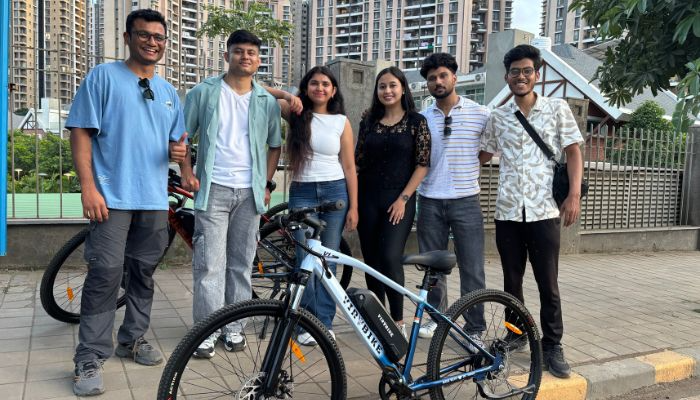
Sustainability at the core Cities continue to restrict combustion engines in central zones, nudging commuters towards cleaner mobility. Expect e‑cycles to benefit from additional subsidies and priority parking as policy makers push carbon reduction targets.
Smarter, lighter batteries Battery chemistry advances should yield packs with higher energy density yet lower weight, meaning longer range without adding bulk. Integrated battery‑frame designs will also make future models sleeker.
How to Stay Ahead
Monitor upcoming releases from your preferred retailer, sign up for early‑bird discount alerts and keep an eye on trade‑in programmes that reward upgrades to the latest tech. When the next generation lands, you will be ready to evaluate whether improved range or smarter connectivity justifies the swap.
Explore the Virbike V-Series
Compare features, performance, and pricing across our top electric cycle range.
Virbike V1
from ₹34,999- 36 V • 7.8 Ah removable battery
- Real-world PAS up to ~40 km
- Single-speed • Dual disc brakes • LCD display
Virbike V1+
~₹39,999- 36 V 10.4 Ah battery • Extended PAS range
- Dual disc brakes • Integrated headlamp
- Refined alloy frame • LCD display
Virbike V2
₹44,999 – ₹47,498- 36 V system • Removable battery (55/75 km options)
- Shimano 7-speed • Adjustable fork • Color display
- Alloy frame • Dual disc brakes
Virbike V3
₹54,999 – ₹56,990- 36 V in-tube 13 Ah battery
- PAS range ~65–70 km • MAXXIS tyres
- M5 LCD • Integrated headlamp & horn
*Actual range varies with rider weight, terrain, tyre pressure, and assist mode. Prices/specs subject to change.
Frequently Asked Questions
Q1. What is e cycle?
An e‑cycle, or electric cycle, combines a conventional bicycle frame with a battery‑powered motor that provides pedal assistance. You still pedal, but the motor reduces effort, making hills and long distances easier to tackle.
Q2. What is e cycles in India?
In India, e‑cycles fall under the light electric vehicle category and typically feature 250 W motors with speed limited to 25 km/h, allowing you to ride without a driving licence or registration in most states.
Q3. How do I choose the right battery size for my commute?
First, measure your daily round‑trip distance. A 7–8 Ah battery suits journeys up to about 15 km with moderate assist, while a 12 Ah or larger pack provides comfortable headroom for longer routes or frequent high‑assist riding.
Q4. Are e‑cycles actually cheaper to run than scooters?
Yes. Charging a typical 250 W e‑cycle battery costs only a few rupees, and maintenance centres mainly on tyres and brake pads. There is no fuel, oil or expensive engine servicing, so lifetime running costs are significantly lower.
Q5. My e‑cycle suddenly lost power—what should I check first?
Verify that the battery is fully seated and the connector pins are clean. Then look at the display for error codes. If none show, try a different charger socket to rule out household power issues before contacting the service team.
Q6. Is the higher price of a foldable fat‑tyre model justified?
If you need to stow the bike in a car boot or small flat yet ride on sand, gravel or snow at weekends, the folding fat‑tyre design offers unmatched flexibility. For purely urban asphalt, a lighter standard‑wheel e‑cycle will deliver better efficiency at a lower cost. Ready to find the perfect e‑cycle for your needs?
Explore Virbike’s range of practical and value‑focused electric bicycles at virbike.com, and discover how our models can elevate your commuting and leisure rides.
One thing that stood out in your post was the simplicity of maintenance with e-cycles. It’s such a relief that they need minimal servicing compared to traditional motorized vehicles, especially for those who want to reduce their carbon footprint without a ton of upkeep.